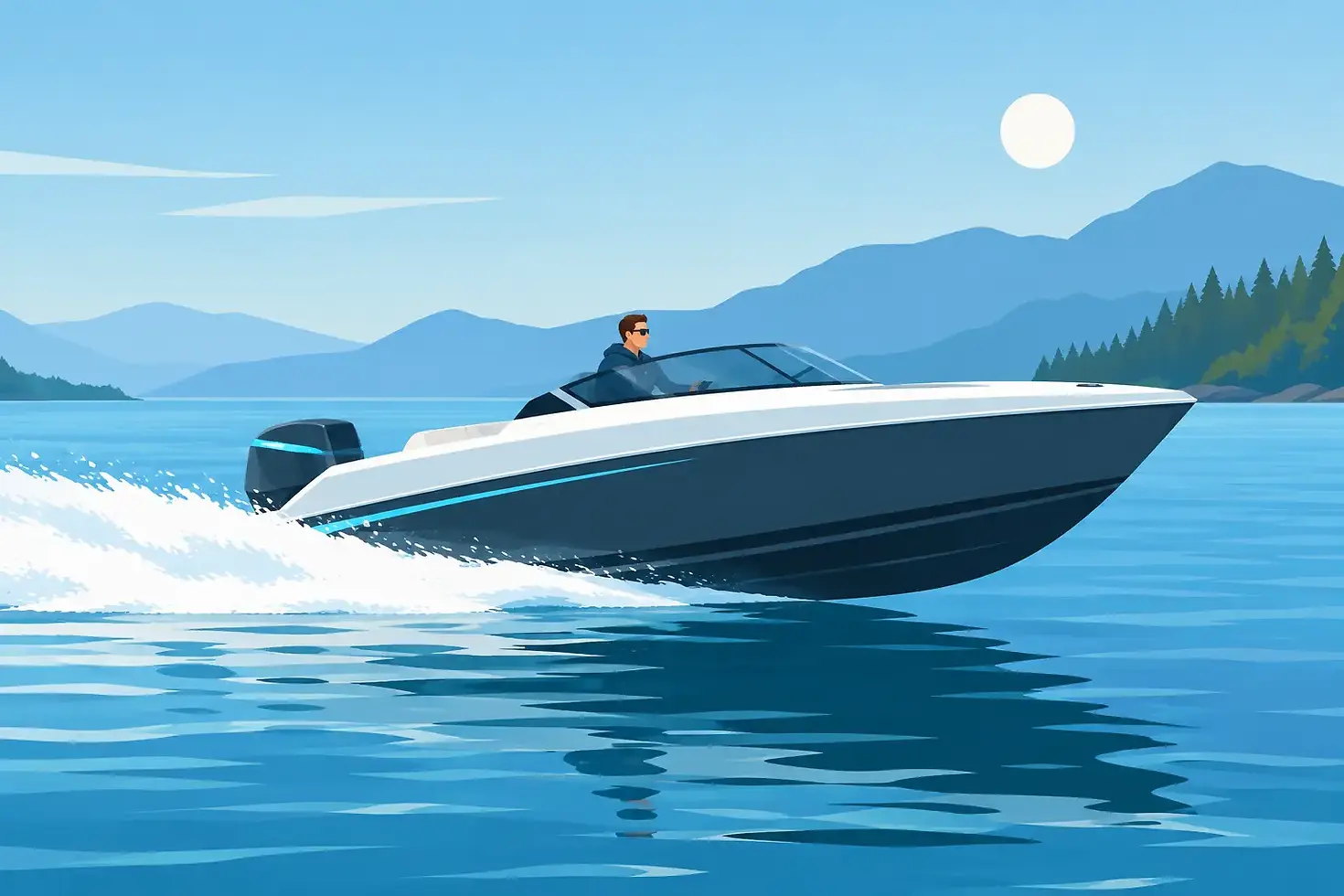
Electric Boating With Real Planing Power
The old objection to electric boating was easy: it might be quiet, but it could not move a real boat. That objection is losing ground. Serious electric outboards are changing the calculation for anglers, bay-boat owners, shallow-water runners, and recreational boaters who want acceleration and usable speed without a gas engine hanging off the transom.
The question is no longer whether electric propulsion belongs on the water. The question is whether the motor, battery system, hull, and intended use are matched well enough to deliver the performance you expect. Get that match right, and electric power is not a novelty. It is a different kind of boating experience - quiet, responsive, low-maintenance, and capable of getting a boat on plane.
Electric Boating Is Now a Performance Decision
For years, electric marine propulsion occupied a narrow lane. It was for trolling motors, small tenders, protected waters, and boaters willing to trade speed for silence. That category still exists, and it serves a purpose. But it does not represent the full potential of electric boating anymore.
Higher-output electric outboards are built for boaters who need meaningful thrust. They are designed around the needs that matter once the dock is out of sight: getting loaded boats moving, pushing through current, carrying passengers, reaching fishing grounds, and bringing a hull onto plane. Quiet operation and zero tailpipe emissions remain real advantages, but neither should be mistaken for the main event.
Performance starts with torque. Electric motors deliver it immediately, without the lag of a conventional engine building rpm through a power band. That immediate response can make a boat feel sharp leaving the dock and authoritative coming out of the hole. It also gives the operator clean, precise control around ramps, docks, timber, and shallow approaches.
That does not mean every electric setup will perform the same way. A light skiff, a modified jon boat, and a heavier fiberglass center console have very different demands. Battery capacity, propeller selection, passenger load, water conditions, and hull design all affect real-world results. Boaters should demand straight answers about those variables, not vague promises about “equivalent” power.
What It Takes to Plane With Electric Power
Getting on plane is the dividing line between an electric auxiliary motor and a serious propulsion system. Planing reduces hull drag by lifting much of the boat onto the surface, allowing substantially higher speeds. It also requires a strong burst of power at the moment the boat is trying to climb over its own bow wave.
An electric outboard can deliver that burst, but horsepower alone does not tell the entire story. The rig must be engineered as a system. Motor output needs to be matched with battery voltage and discharge capability. The battery bank must sustain the power demand, not merely show enough stored energy on paper. Weight placement matters because batteries can alter the boat’s balance, especially in smaller hulls.
A practical evaluation begins with the boat you already own. Consider its rated horsepower, dry weight, typical load, hull type, and the water you run most often. Then be honest about how you use it. A ten-minute run to a fishing flat, followed by hours at low speed, is a different mission from repeated high-speed runs across open water.
For boats that need genuine outboard performance, classes such as 40HP, 50HP, 60HP, and 70HP deserve attention. Those numbers put electric propulsion into a conversation that used to belong exclusively to gasoline. Stealth Electric Outboards was built around that shift: electric outboards intended to plane boats, not just push them quietly through a marina.
Range Is Not a Guessing Game
Range is where shoppers need to think like boaters, not car buyers. A vehicle usually travels at a relatively steady speed over predictable roads. A boat faces wind, chop, current, hull drag, load changes, and wide swings in throttle use. Run wide open for long stretches and energy consumption climbs fast. Cruise efficiently and the same battery capacity can take you much farther.
The useful question is not, “How many miles does it go?” Ask instead: “How long can I run at the speeds I actually use?” That answer should account for reserve capacity. No responsible operator wants to return to the ramp with a battery display at zero, especially when a headwind or changing tide can turn an easy ride home into a demanding one.
Plan your electric boating use around power modes. High output gets the boat on plane and moves it quickly when needed. Moderate cruise conserves energy. Low-speed operation around docks, shorelines, and fishing areas uses dramatically less power. This is not a limitation unique to electric propulsion. It is simply a more visible version of the fuel-management decisions every boat owner already makes.
Charging strategy matters just as much as battery size. Many recreational boaters have an ideal setup already: a predictable home dock, a garage, or a storage location where the boat can charge between trips. That means starting the day full without gas-station stops, fuel cans, spills, or stale fuel concerns. For longer days and remote use, charging access and turnaround time become central purchase considerations.
The Advantages Become Obvious on the Water
Silence changes the character of a boat ride. Conversations do not require raised voices. Early departures do not wake the entire shoreline. Wildlife encounters feel less disruptive. Anglers can approach fish-holding water without the mechanical clatter and exhaust smell of an idling gas engine.
But quiet is only one part of the case. Electric outboards remove many routine maintenance tasks associated with internal combustion. There are no oil changes, spark plugs, fuel filters, carburetor issues, or concerns about ethanol-blended fuel sitting in the system between trips. The maintenance picture is not zero - any marine propulsion system needs inspections, care, and proper winter storage - but the ownership routine can be far simpler.
There is also the operating feel. Instant torque, smooth acceleration, and fewer vibrations make electric power feel deliberate rather than mechanical. For a boater who has spent years accepting noise, fumes, and engine maintenance as the price of performance, that difference can be surprising.
Where Electric Boating Requires Clear-Eyed Planning
Electric power is not the automatic right answer for every hull or every mission. A boat that routinely makes long offshore runs at high speed, has no reliable charging access, or spends all day at wide-open throttle may still be better served by conventional power for now. A knowledgeable dealer should say that plainly.
Upfront system cost is another consideration. A high-performance electric outboard involves more than the motor. Batteries, charging equipment, rigging, and installation are part of the decision. The trade-off is lower routine maintenance and potentially lower energy costs over time, but the payback period depends on how often and how hard the boat is used.
Weight deserves attention too. Modern battery systems offer substantial energy density, yet they remain a meaningful part of the rig. Placement, wiring, ventilation requirements, and service access should be planned before installation. The cleanest electric repower is one designed around the boat rather than forced into it after the fact.
Buy for Your Actual Water, Not a Brochure
The strongest electric boating setup is the one that fits your route, your launch routine, and your performance standard. Do not buy based on a top-speed claim alone. Ask about acceleration with a normal load, expected runtime at cruise, charging requirements, battery warranty, dealer support, and the hulls on which the system has been proven.
If you fish shallow rivers, run protected coastal water, or spend weekends on lakes where a predictable route is part of the routine, electric propulsion may be ready to do far more than you expect. If you need to plane, make that the first performance threshold in the conversation.
The next good boat day should not begin with a fuel stop or end with an oil check. Start with the way you actually run, size the system for the job, and let the water show you what electric power can do.


Comments